Facility maintenance is an important part of the engineering industry. This means that facility managers must stay on top of the latest inspection and testing codes for all of the parts, equipment, and processes in their respective facilities. But how is this... See More
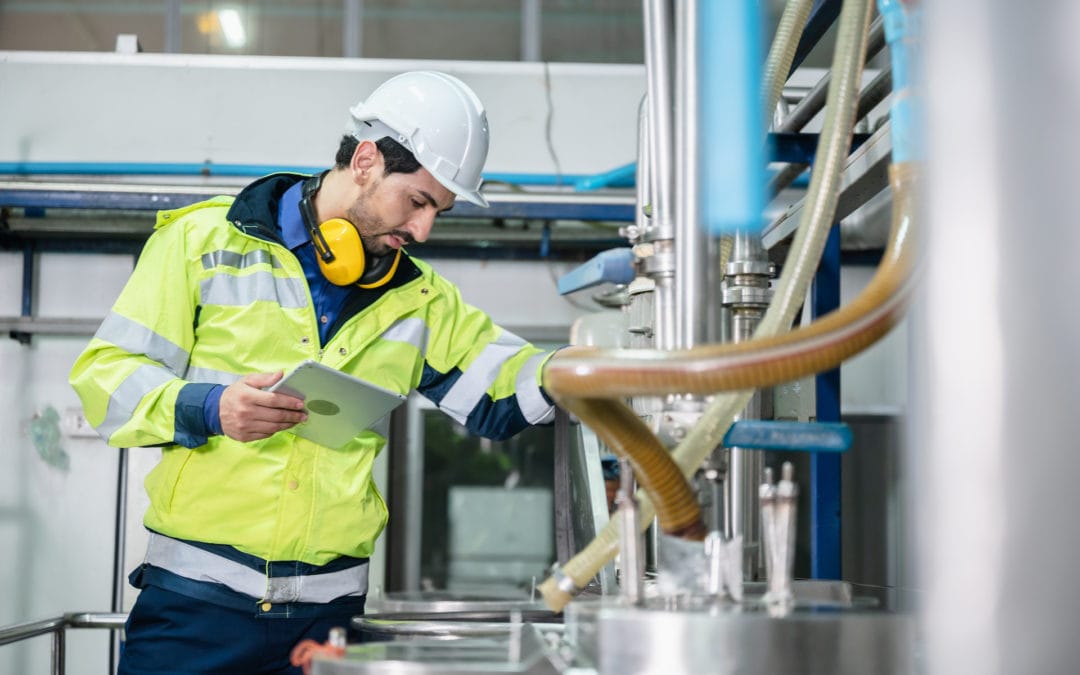
Nondestructive testing is used widely in the engineering and manufacturing industries for a variety of purposes. As a testing and analysis technique used to study the materials, structure, or system without damage to the original part, nondestructive testing solutions... See More
If you’ve ever been involved in the quality assurance or quality control aspect of construction or manufacturing, you’re likely familiar with non-destructive testing (NDT). Different methods of non-destructive testing have been developed for specific applications and... See More
Routine inspections are part of most industries, whether you’re in engineering, construction, healthcare, or just about any other profession. So when it comes down to inspections, it’s important to know what to look for and how to fix any potential problems that exist... See More
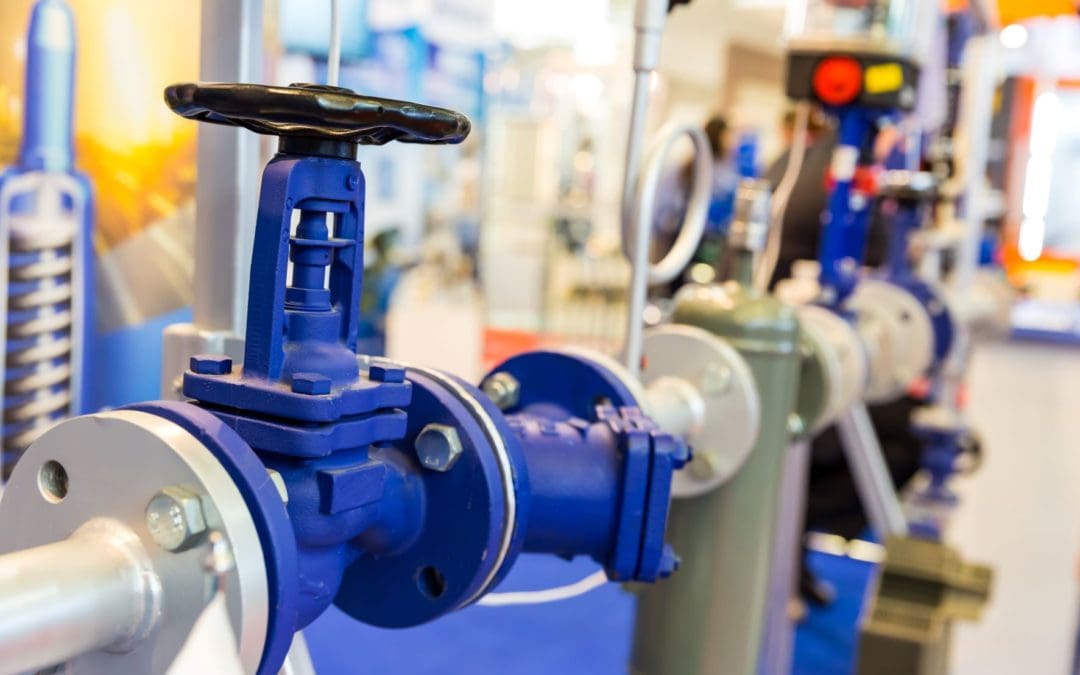
If you’re an engineer or specialize in manufacturing, then you may be familiar with the piping and circuit systems within manufacturing plants and on their rooftops. These metallic piping systems and their pressure-relieving mechanisms require regular maintenance,... See More
Knowing your facility, its equipment and the associated assets within is crucial to operating in a safe, risk-free, and cost effective manner. But as we well know, nothing is guaranteed to be completely risk-free. So how do you own or operate a facility and its asset... See More
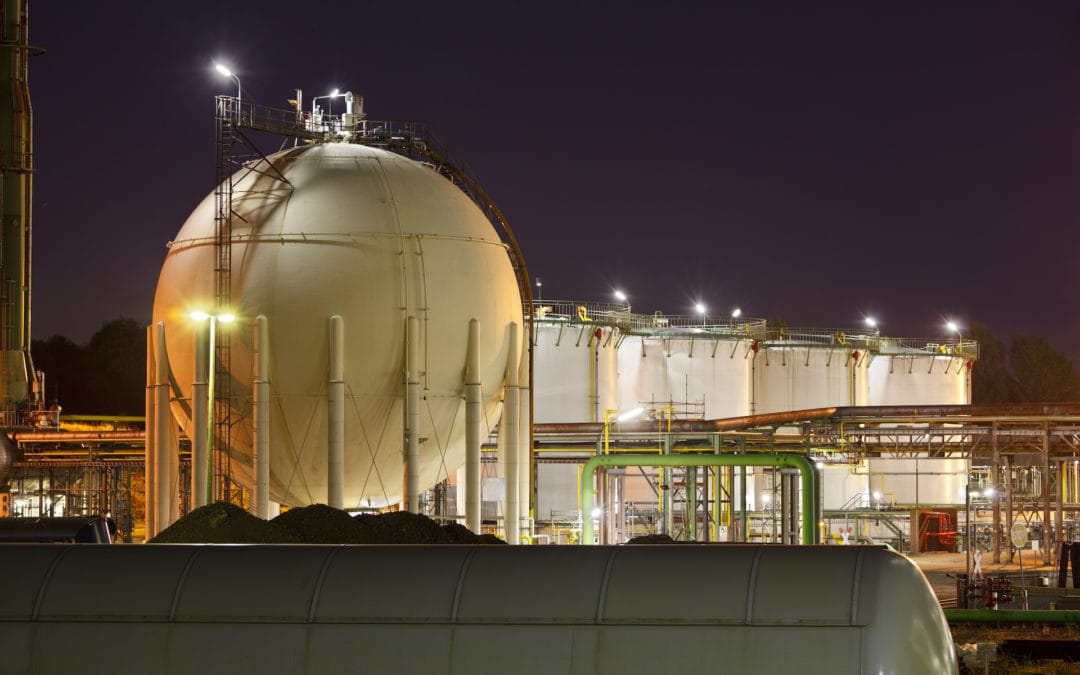
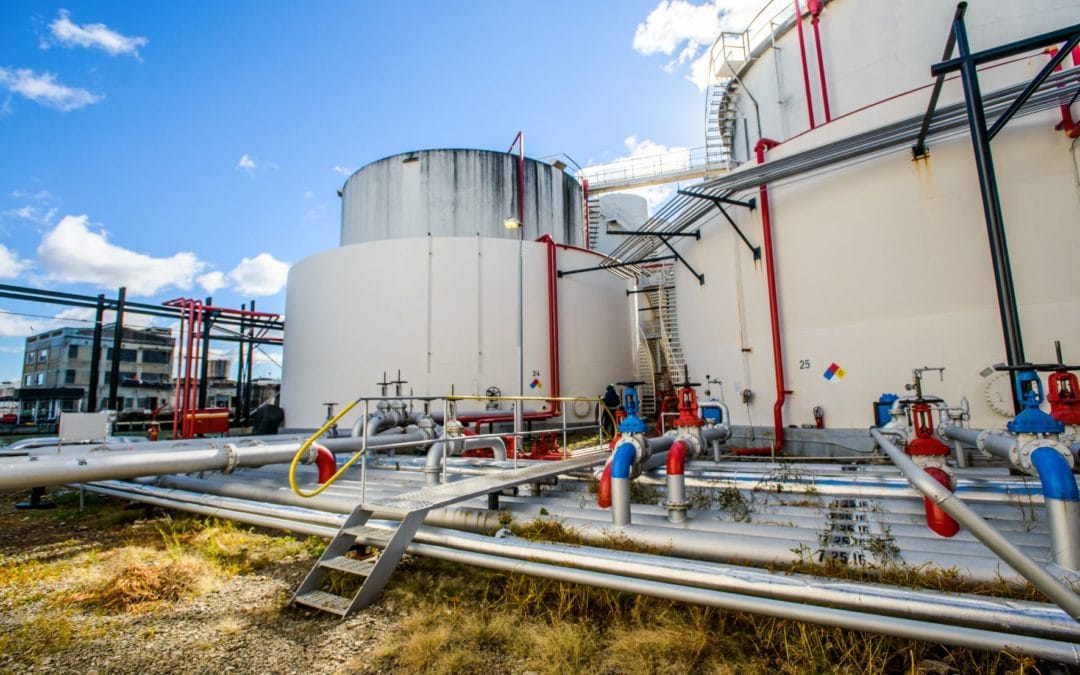
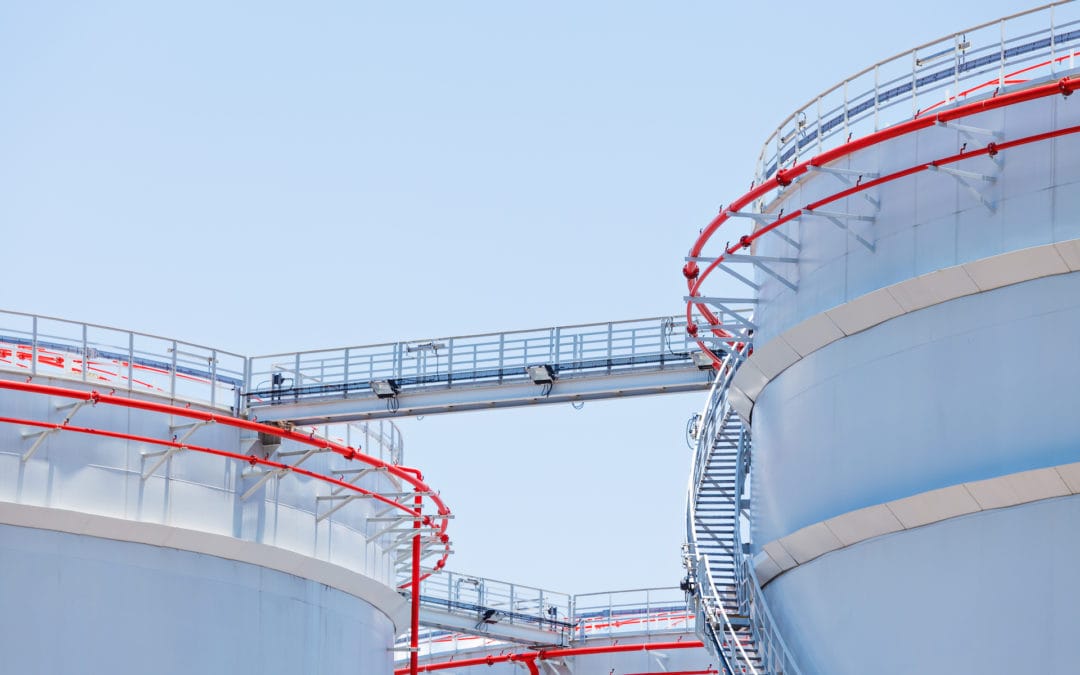
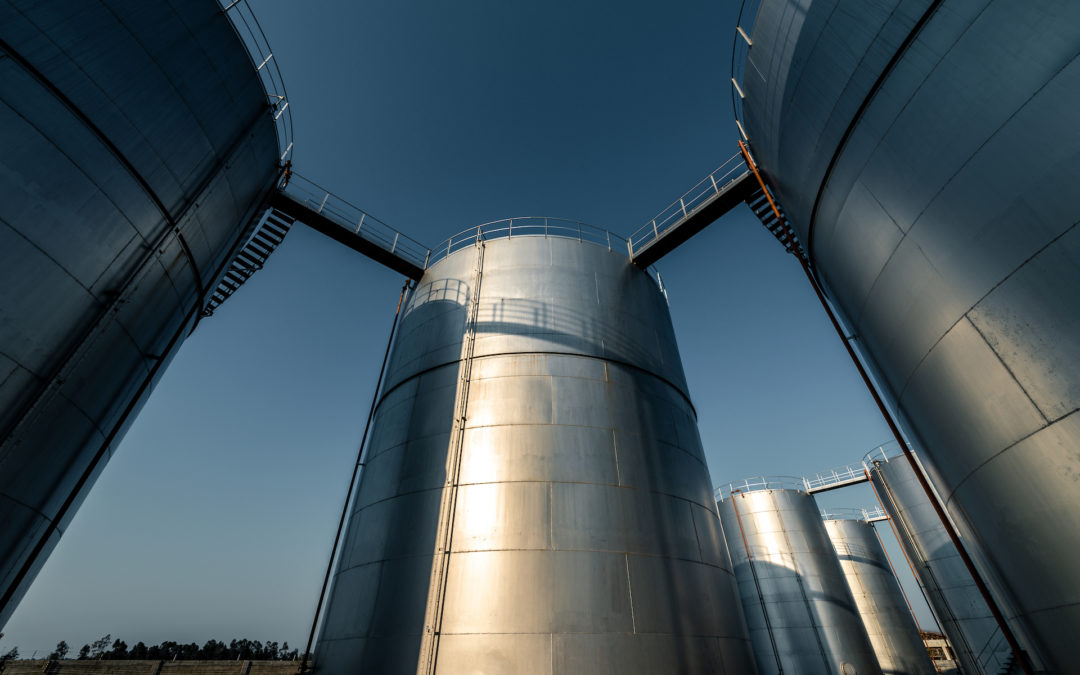
Storage tanks pose potential safety risks to both environmental and public health. This leaves many questions as to how industries using above ground tanks can prevent emergencies such as leaks and spills from occurring. Working under the guidance of federal... See More
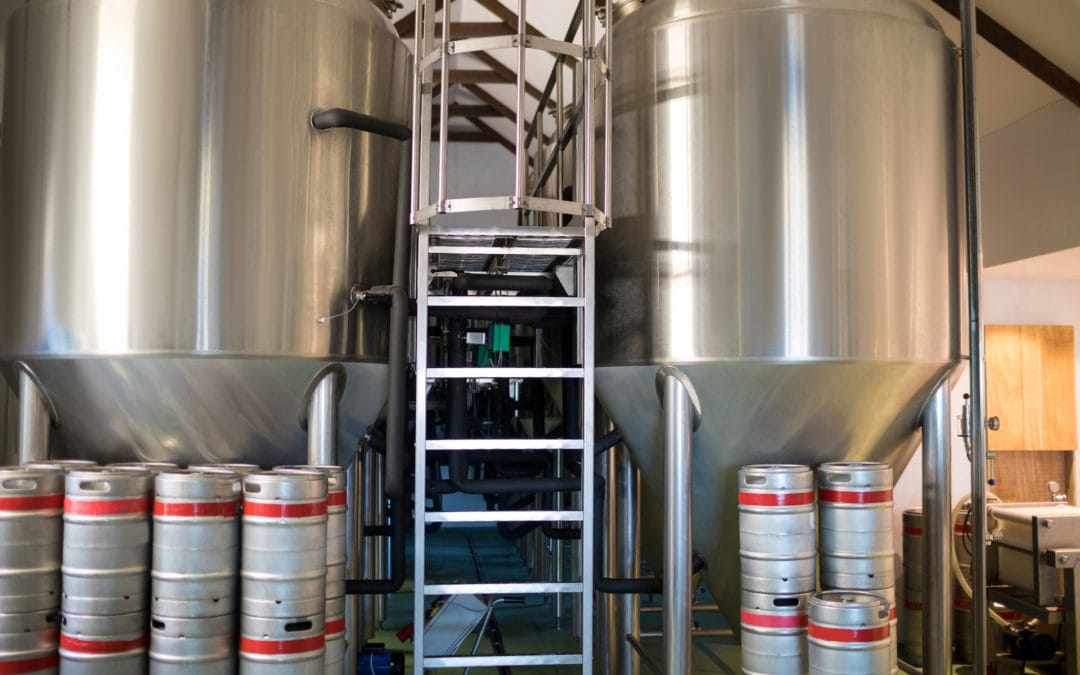
Ensuring your pressurized tanks and other equipment meet API and EPA standards is an essential aspect of running your business. It can be challenging to keep up to date on current codes and to know who to trust for inspections to ensure your equipment is kept within... See More
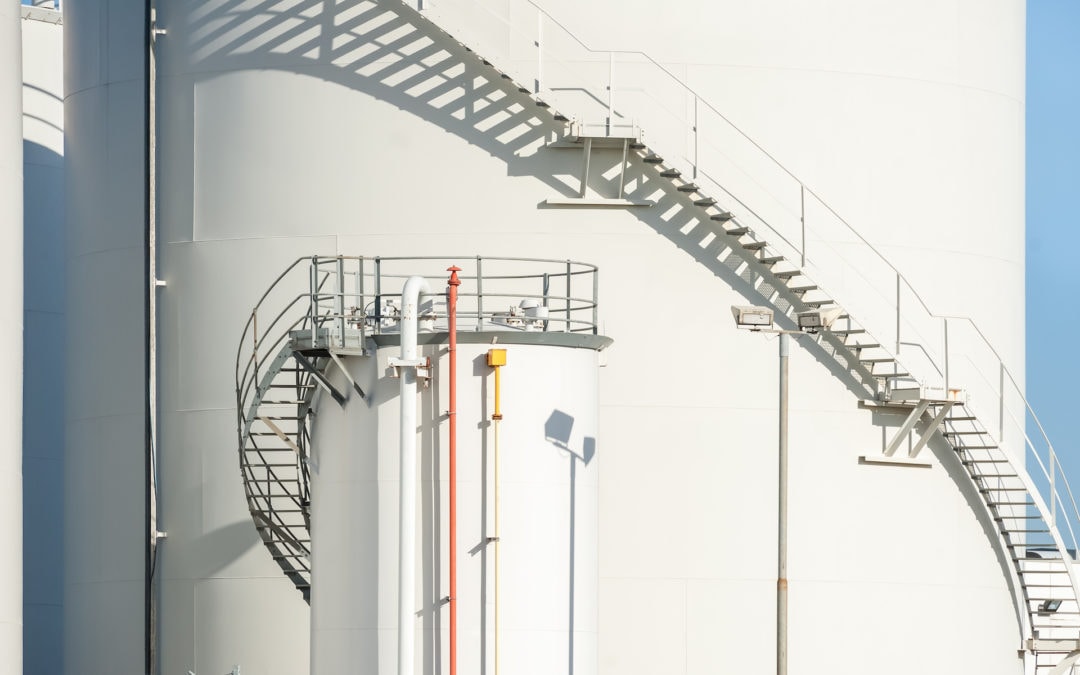
You understand the importance of having your storage tanks inspected, but do you know which inspection is right for you? Despite what you may have heard, the two main methods—API 653 and STI SP001—are very different. Choosing the wrong inspection could miss critical... See More
Anyone who works in any industrial field requiring the use of aboveground storage tanks (ASTs) knows that these large industrial containers are built to strict specifications to meet the needs of the job they’ve been designed to do. But there’s an extra factor to... See More

Recent Comments