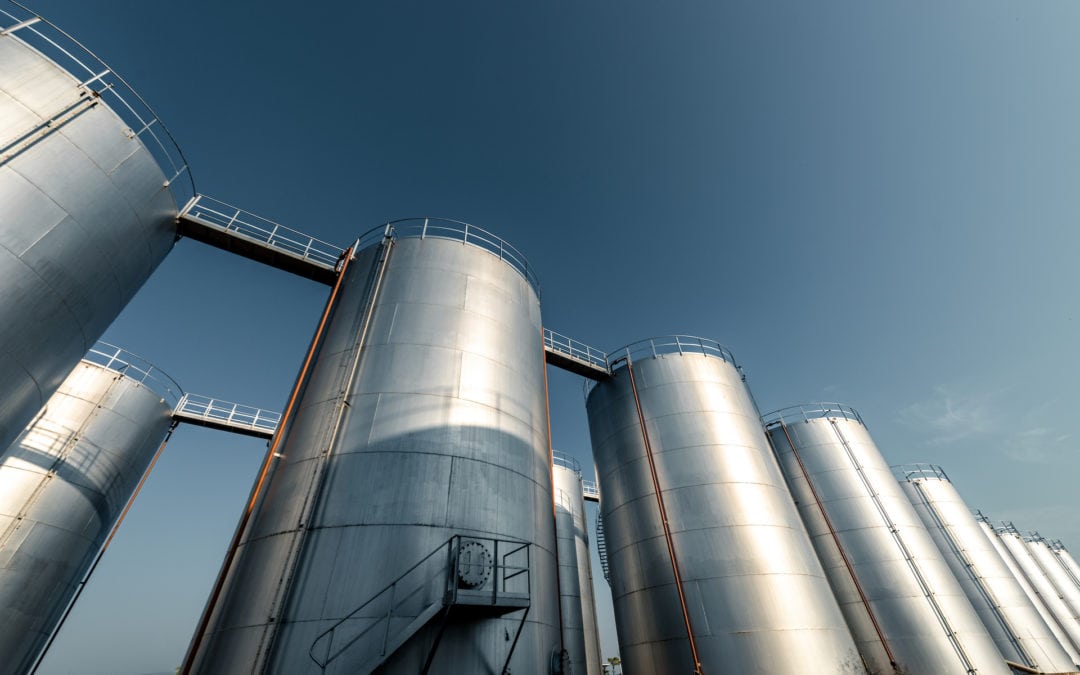
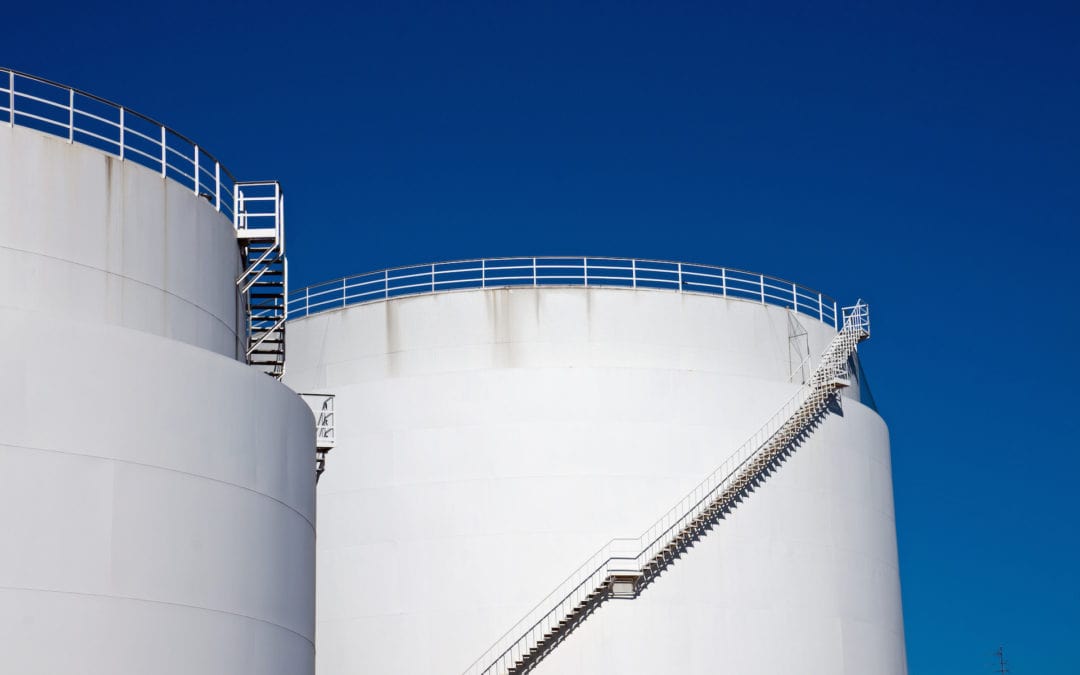
Internal linings extend tank life, protect product purity, and in many services are required by code. Get the lining right and a tank's next major repair cycle pushes from 10 years to 25 or more. Get it wrong, and the lining fails fast, the steel underneath gets... See More
Tank floors fail more often than any other component because they sit in the wettest, dirtiest part of the tank. Water settles on top of them, sludge accumulates against them, and on the underside they sit against a foundation that traps moisture. When an internal API... See More
Ultrasonic testing is the most widely used nondestructive method on above-ground storage tanks. Inspectors use it to measure shell thickness, evaluate weld condition, characterize corrosion patterns, and feed numbers into the calculations that determine when a tank is... See More
API 653 internal inspections that go over budget or behind schedule almost always trace back to inadequate preparation. The inspector arrives, the tank is not as clean as it should be, key documentation is missing, or site access has not been coordinated, and what was... See More
The most expensive mistake an above-ground storage tank owner can make is getting inspection timing wrong. Skip a required inspection and you face compliance findings, potential regulatory action, and the discovery that your insurance carrier has questions.... See More
Facility managers call inspection providers every day asking for an “API inspection.” The trouble is that API publishes more than a hundred standards, and three of them, API 510, API 653, and API 570, govern the in-service inspection of three completely different... See More
Recent Comments